Bushy Park Front Gardens Garden Maintenance in Teddington: A Practical Local Guide
If you live near Bushy Park, you already know the front garden does a lot of heavy lifting. It is the first thing you see in the morning, the bit visitors notice before they ring the bell, and often the space that has to look tidy even when the week has been a bit chaotic. Bushy Park front gardens garden maintenance in Teddington is really about keeping that space healthy, welcoming, and manageable without turning it into another source of weekend stress.
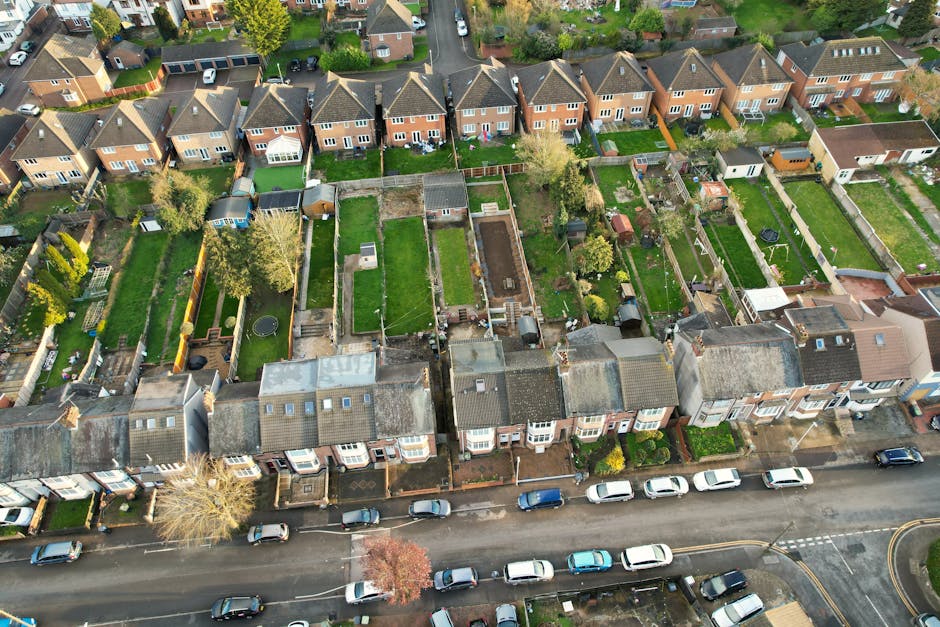
Front gardens in this part of Teddington tend to have their own rhythm. Some are small and formal, some are leafy and slightly wild at the edges, and some are exposed to more footfall, shade, or wind than people expect. Add in the usual London mix of clay soil, parked cars, narrow access, and changing seasons, and a simple tidy-up can quickly become a recurring task rather than a one-off job.
This guide breaks down what good front garden maintenance looks like, how it works in practice, what to watch out for, and how to make sensible choices for your home. If you want a broader view of the service landscape, you may also find the services overview useful, or the team background on the about us page.
Table of Contents
- Why Bushy Park front gardens garden maintenance in Teddington Matters
- How Bushy Park front gardens garden maintenance in Teddington Works
- Key Benefits and Practical Advantages
- Who This Is For and When It Makes Sense
- Step-by-Step Guidance
- Expert Tips for Better Results
- Common Mistakes to Avoid
- Tools, Resources and Recommendations
- Law, Compliance, Standards, or Best Practice
- Options, Methods, or Comparison Table
- Case Study or Real-World Example
- Practical Checklist
- Conclusion
- Frequently Asked Questions
Why Bushy Park front gardens garden maintenance in Teddington Matters
Front gardens do more than "look nice". They set the tone for the property, influence kerb appeal, and can quietly affect how well the whole home is cared for. Around Bushy Park, where homes often sit close to mature trees, busier roads, and established boundaries, front garden maintenance can also be a practical job of keeping things safe, visible, and easy to access.
There is a simple truth here: a front garden is judged more quickly than a back garden. You can get away with a slightly overgrown rear border for a while, but front-facing planting, hedges, paths, and drive edges tend to be seen every day. That means pruning at the right time, keeping routes clear, and making sure plants do not spill into pavements or block sightlines matters more than people sometimes realise.
There is also the local feel of the area to think about. Near Bushy Park, many gardens are part of a streetscape that feels mature and residential rather than brand new. A well-kept front garden should fit that character. It does not need to be over-designed. In fact, to be fair, a few well-chosen shrubs, seasonal colour, and a crisp edge can look better than a fussy setup that needs constant rescue.
Expert summary: The best front gardens in Teddington usually balance three things: good appearance, easy upkeep, and sensible planting that can cope with local conditions. If one of those is missing, the garden tends to become work for all the wrong reasons.
People often start searching for maintenance help only after the garden has become awkward: hedges blocking light, self-seeded plants pushing through gravel, or a lawn that has turned patchy from shade and compaction. The earlier you deal with those small issues, the less likely they are to snowball.
How Bushy Park front gardens garden maintenance in Teddington Works
Front garden maintenance is usually less about one dramatic visit and more about a regular pattern of care. The exact schedule depends on what is planted there, how much sunlight the space gets, and how much time you want to spend on it yourself. Some homes only need seasonal tidy-ups. Others need monthly attention, especially if hedges, climbers, or mixed borders are involved.
A sensible maintenance routine normally includes:
- lawn edging and mowing where appropriate
- hedge trimming and light formative pruning
- border weeding and mulch top-ups
- deadheading and plant tidying
- checking for blocked drainage or compacted soil
- keeping paths, steps, and entrances clear
- seasonal planting replacements where needed
For many front gardens, the work starts with a quick assessment. What is thriving? What is struggling? What looks tidy from the pavement but is actually wasting water or crowding itself out? That sort of eye for detail matters. A decent maintenance plan should not just make the garden look neat for a day or two; it should gradually make it easier to care for.
Near Bushy Park, trees can create extra shade and leaf drop, which changes the whole maintenance pattern. A border that looked lovely in April can get smothered by leaves in October. Likewise, a lawn that seemed fine in spring may thin out by late summer if roots compete with nearby trees or if the area dries out quickly. Small stuff, but it adds up.
Maintenance can also be linked to the way the property is used. A family with school runs and visitors needs a clean, low-obstruction entrance. A retired homeowner may want something calmer, with predictable seasonal work. A landlord may want a durable, presentable front that does not need constant interventions. Same garden category, different priorities.
Key Benefits and Practical Advantages
Good front garden maintenance pays off in ways that are easy to spot and a few that are less obvious.
1. Better first impressions
A neat front garden makes a house feel cared for. That matters whether you are staying put for years or planning a sale at some point. People notice straight lines, fresh planting, and tidy entrances almost instantly.
2. Lower long-term effort
This one is often overlooked. Regular maintenance is usually less work than rescue gardening. Pulling weeds before they seed, trimming hedges before they become bulky, and pruning shrubs before they block windows all save time later.
3. Healthier planting
Plants respond well to steady care. Better airflow, correct pruning, cleared mulch, and the right amount of feeding or watering all help reduce stress. A front border that is lightly maintained tends to look more natural and less exhausted.
4. Safer access
Clear paths, visible steps, and controlled plant growth all matter near entrances. Wet leaves on paving, low branches, or loose debris are small problems until someone slips or trips. Then they are not small at all.
5. Better use of space
Many front gardens in Teddington are compact. The trick is not to cram more in; it is to make the space do more with less. One thoughtful structure plant, a couple of seasonal accents, and clean edging can create a stronger result than a crowded bed full of competing textures.
Here is the practical upside in plain English: the garden feels calmer, the house looks sharper, and the work becomes easier to keep up with. That is a good trade.
Who This Is For and When It Makes Sense
Bushy Park front gardens garden maintenance in Teddington is a good fit for anyone who wants the front of their home to stay presentable without spending every spare hour on it. But some people benefit more than others.
- Busy households that want the entrance to stay tidy without weekend catch-up jobs.
- Older homeowners who prefer low-strain upkeep and a garden that stays manageable.
- Landlords and property managers who need consistent curb appeal for tenants and viewings.
- Homeowners preparing to sell and wanting the house to feel well cared for from day one.
- People with mature planting that needs skilled pruning rather than a blunt trim.
- Anyone with limited access where narrow paths, parked cars, or front steps make gardening a bit awkward.
It also makes sense if you keep saying, "I'll sort it next month," and then next month arrives, as it always does. Truth be told, that is how many front gardens drift into looking tired. Nothing dramatic. Just a slow accumulation of unfinished jobs.
If you are comparing support options, it is sensible to think about practicality as much as appearance. You may want to check pricing and quotes if you are weighing up regular maintenance against occasional tidy-ups, and the contact page if you want to ask about your own space.
Step-by-Step Guidance
A good maintenance plan is easiest to understand when you break it into steps. Not glamorous, but useful.
Step 1: Assess the space honestly
Stand at the pavement and look at the garden as a passer-by would. What draws the eye first? What looks messy? What feels dark, crowded, or underused? Then walk the garden slowly and note any problem spots, such as mossy paving, dead stems, hedge spill, or plants that are clearly in the wrong place.
Step 2: Decide what to keep, cut back, or replace
Front gardens often contain a mix of good bones and tired planting. Keep the structure that works. Cut back the plants that have become leggy. Replace weak performers with something better suited to shade, sun, or soil conditions. You do not need to overhaul everything at once.
Step 3: Set the maintenance frequency
Some gardens need monthly touchpoints. Others only need stronger seasonal visits. If your garden has hedges, roses, or a lawn, timing matters more. If it is gravel and shrubs, you may be able to focus on weed control, tidying, and the occasional prune.
Step 4: Handle the seasonal jobs
Spring is usually for shaping, feeding, and refreshing the borders. Summer is about keeping growth in check, watering wisely, and deadheading. Autumn brings leaf clearance and cutting back. Winter is the time for structural pruning and planning, though not every plant appreciates a hard cut then, so do check before you get enthusiastic with the shears.
Step 5: Keep edges and access points clean
This sounds minor. It is not. The line where the garden meets the path, wall, or drive is what makes the space feel looked after. Sharp edges, swept surfaces, and uncluttered entrances make a front garden feel finished.
Step 6: Review and adjust
After a few visits, see what still feels high-maintenance. Maybe the border is too thirsty. Maybe a shrub has outgrown its spot. Maybe the lawn is not worth keeping in shade. This is where experience pays off. A gardener should be able to say, "That plant is pretty, but it is in the wrong place," and not blink.
Expert Tips for Better Results
Here are the small decisions that tend to make the biggest difference.
- Choose plants for conditions, not just looks. A beautiful plant that hates shade, dry soil, or root competition will become a maintenance problem.
- Keep the front layout simple. Front gardens usually work best with clarity: a path, a feature, a border, maybe one focal point.
- Use mulch properly. It helps suppress weeds and retain moisture, but only if applied thoughtfully and not piled against stems.
- Prune for shape and health. Random clipping creates more regrowth and often looks worse. A light, structured prune is usually the smarter move.
- Do not ignore drainage. If water sits near the path or steps after rain, the problem may be below the surface.
- Think about winter viewing. A front garden should still look decent on a grey January morning. Evergreen structure helps.
One thing people often miss: the best front gardens are not necessarily the most colourful. They are the ones that still make sense on an ordinary Tuesday in March. That is a very different standard, and a more honest one.
If your property has mixed needs, a broader maintenance plan may be easier to manage through the main gardening services overview. It gives you a better sense of how routine care and one-off improvements can fit together.
Common Mistakes to Avoid
Front gardens often go wrong in predictable ways. The good news is that most of them are fixable.
Overplanting a small space
A narrow front garden can look busy very quickly. Too many shrubs, too many textures, too many heights. The result is visual noise. Sometimes less is actually more. Slightly annoying advice, but true.
Letting one job trigger another
A hedge gets too tall, so you trim it hard. Then the bare sides show. Then you feel obliged to plant more. Then the new planting needs water. It spirals. Better to maintain the hedge gradually and avoid the domino effect.
Ignoring the pavement edge
Even a well-kept border can look messy if the edge is rough. Weeds, self-seeded grasses, and creeping groundcover often build up at the boundaries first.
Using the wrong pruning season
Some shrubs tolerate generous pruning; others do not. A rushed cut at the wrong time can remove flowers, damage shape, or leave the plant exposed. This is where a little knowledge saves money and stress.
Choosing high-maintenance features for a low-time household
Fancy planting is lovely until it starts demanding constant deadheading or specialist feeding. If you know you are not going to be out there every week, choose plants and materials that forgive a missed visit or two.
Forgetting the practical side
Looks matter, yes. But can the bin still pass? Does the delivery person have a clear route? Does the path get slippery in wet weather? These are the unglamorous questions that matter more than people think.
Tools, Resources and Recommendations
You do not need a shed full of equipment to keep a front garden in shape, but the right tools make a noticeable difference.
| Task | Useful tools | Why it helps |
|---|---|---|
| Border tidying | Hand fork, trowel, bypass secateurs | Lets you remove weeds and trim cleanly without damaging nearby plants |
| Hedge work | Hedge shears or a suitable trimmer | Keeps lines even and reduces ragged regrowth |
| Lawn edging | Half-moon edger, edging shears | Makes the front boundary look crisp and intentional |
| Leaf clearance | Rake, blower where appropriate, green waste sacks | Stops surfaces becoming slippery and untidy |
| General upkeep | Gloves, bucket, kneeler, pruning saw for thicker stems | Makes regular maintenance easier and safer |
For homeowners who prefer not to buy everything themselves, professional maintenance can be a sensible option. The main thing is to choose a provider that is clear about scope, scheduling, and what happens if extra work is needed. A tidy brief saves awkwardness later. No one enjoys surprise assumptions.
If sustainability matters to you, it is worth asking how cuttings and green waste are handled. A sensible approach to disposal and reuse supports better long-term practice, and you can read more about the company's approach on recycling and sustainability. You may also want to review health and safety policy details if work involves ladders, sharp tools, or heavier pruning.
Law, Compliance, Standards, or Best Practice
Front garden maintenance is usually straightforward, but there are a few sensible standards to keep in mind. These are not dramatic legal concepts; they are the practical basics that prevent problems.
First, keep walkways and entrances reasonably clear. If a front garden spills onto a public pavement or creates a hazard, it becomes more than a cosmetic issue. Overhanging growth, loose materials, and slippery surfaces should be dealt with promptly.
Second, be careful around trees and established planting. Near a place like Bushy Park, mature landscapes can be sensitive. If a tree appears protected, significant pruning should be approached cautiously and, where needed, checked before work begins. The same applies to major reductions on old shrubs or climbers where the result could be more than a simple tidy.
Third, use competent, insured help for work that involves height, power tools, or potentially risky access. It is perfectly reasonable to ask how safety is handled, what the process is if something goes wrong, and what cover is in place. If you want to review those expectations in more detail, the insurance and safety page is a useful place to start.
Lastly, if you are arranging ongoing work, check the terms carefully. Scope, timing, payment, cancellations, and responsibilities should be clear before the first visit. That is where terms and conditions and payment and security information become genuinely useful, not just fine print in the corner.
Options, Methods, or Comparison Table
Different front gardens need different levels of care. The right option depends on how much structure you have, how much time you want to spend, and how quickly the garden gets away from you.
| Approach | Best for | Pros | Trade-offs |
|---|---|---|---|
| DIY maintenance | Small, simple gardens with light planting | Lower cost, flexible timing, full control | Easy to miss seasonal tasks; can become sporadic |
| Occasional tidy-up visits | Gardens that look good most of the year but need resets | Useful for seasonal refreshes and quick improvements | May not prevent problems from returning between visits |
| Regular maintenance plan | Established gardens, hedges, and busy households | Consistent appearance, easier long-term upkeep | Requires commitment and a clearer schedule |
In many Bushy Park-area homes, the middle option is tempting because it feels economical. Sometimes it is. Sometimes it just means the same weeds come back every six weeks and you end up paying for repeat resets. Regular maintenance is often less dramatic, and frankly, less annoying over time.
Case Study or Real-World Example
Here is a realistic example from a typical Teddington front garden scenario. A homeowner had a shaded front border near the boundary wall, a small patch of lawn, and a hedge that had slowly become wider than expected. From the street, the garden looked okay at a glance. Up close, though, the border was crowded, the lawn was thin, and the path edge was soft with weeds.
The first visit focused on the basics: weed removal, hedge reduction done in stages rather than a harsh chop, edging, and clearing the path. After that, the border was simplified. A couple of overcomplicated plants were replaced with tougher choices that could handle shade better. The lawn area was reduced slightly so the remaining grass had a better chance of looking neat instead of tired.
The important part was not making it look like a show garden. It was making it easier to keep tidy. That's the difference. Once the structure was corrected, the monthly upkeep dropped, and the house frontage looked calmer even on rainy days when everything in London seems to need a wipe-down.
That sort of outcome is common. Not every garden needs a dramatic transformation. Often it just needs a few sensible decisions and a bit of consistency.
Practical Checklist
Use this checklist if you want to review your front garden before booking maintenance or doing the work yourself.
- Can you clearly see the path, steps, and front entrance?
- Are hedges, shrubs, or climbers starting to block light or access?
- Are weeds appearing along the borders, drive edge, or paving joints?
- Does the planting suit the amount of shade or sun the garden gets?
- Is there any standing water or repeated moss on hard surfaces?
- Do you have more planting than you realistically want to maintain?
- Have any shrubs become leggy, woody, or uneven?
- Does the garden still look good in winter, not just in summer?
- Are cuttings, leaves, and waste being cleared regularly?
- Would a seasonal plan be easier than random one-off jobs?
If you can tick most of those off, you are in decent shape. If not, no panic. That simply means the garden has given you its answer: it wants a clearer system.
Conclusion
Bushy Park front gardens garden maintenance in Teddington is not about perfection. It is about keeping the front of the home healthy, tidy, and easy to live with. That usually means sensible planting, regular attention, and a realistic plan that matches the time and energy you actually have.
The best front gardens in this part of London tend to feel calm rather than crowded, looked after rather than overworked. They do their job quietly. They make the house feel grounded. And when maintained well, they are one less thing to worry about on a busy week.
If you are ready to compare options, ask questions, or get a clearer sense of what your front garden needs, take a look at the available support pages, then choose the next step that feels manageable. Simple as that, really.
Get a free quote today and see how much you can save.
A well-kept front garden has a funny way of lifting the whole day. You notice it most when the light catches it just right on an ordinary morning, and everything feels a bit more settled.
Frequently Asked Questions
What does Bushy Park front gardens garden maintenance in Teddington usually include?
It usually includes border weeding, hedge trimming, pruning, lawn edging, leaf clearance, deadheading, and keeping paths and entrances tidy. The exact scope depends on the garden's layout and planting.
How often should a front garden near Bushy Park be maintained?
Most front gardens benefit from seasonal visits at a minimum, while more established or high-growth gardens often need monthly or fortnightly attention in spring and summer.
Is regular maintenance better than occasional tidy-ups?
For many gardens, yes. Regular maintenance prevents small issues from becoming bigger jobs. Occasional tidy-ups can work for simple spaces, but they often need a stronger reset each time.
What are the biggest problems in front gardens around Teddington?
Common issues include shade from mature trees, leaf fall, compacted soil, overgrown hedges, awkward access, and planting that no longer suits the space.
Can a front garden look good without a lawn?
Absolutely. Many front gardens work better with gravel, planted borders, ground cover, or hard landscaping instead of a small lawn that struggles in shade or traffic.
How do I know if my shrubs need pruning?
If they are blocking light, spreading into paths, looking woody at the base, or losing their shape, they probably need attention. The right pruning method depends on the plant, though.
What should I ask before booking a garden maintenance visit?
Ask what is included, how often visits are recommended, how waste is handled, whether the work is insured, and what happens if extra work is needed on the day.
Do front gardens need different care from back gardens?
Usually, yes. Front gardens need stronger attention to appearance, access, visibility, and low-maintenance planting because they are seen more often and used more directly.
How can I keep my front garden tidy with limited time?
Choose simple planting, use mulch, trim lightly but regularly, and avoid features that require constant deadheading or specialist care. A simpler garden is often the easiest win.
What signs show my front garden needs a reset rather than routine maintenance?
If the garden feels crowded, the planting is failing in multiple places, the path edge is messy, or the layout no longer works, it may be time for a proper rethink rather than just tidying.
Is it worth using a professional for a small front garden?
Often, yes. Small front gardens can be deceptively fiddly, especially where access is tight or the planting is mature. A professional can usually spot what is worth keeping and what is just creating work.
Where can I find more information about service standards and next steps?
You can review the site's services overview, then check pricing and quotes or head straight to the contact page if you want to talk through your garden specifically.